Exercise Intensity and Sleep Quality
This blog post is all about sleep – why you need it, ways to get more of it, and how your exercise/movement just might be one of the keys to a great night’s sleep – and read on to learn the ideal amount (and intensity) of exercise for optimal sleep. There’s no shortcut or hack that can replace a good night’s sleep - you have to put in the hours. But the beauty of sleep is that it’s within your grasp, even if you’ve been a poor sleeper your entire life. And one of the best ways to access good sleep is through your habits and surprisingly…your gut health.
You may notice, as I do, a strong link between exercise and our sleep habits. In general, regular exercise promotes sleep, and good sleep promotes a body that’s more receptive to exercise. Scientific research (1) supports exercise as an important lifestyle factor for improving sleep quality and duration by boosting melatonin production. Exercise reduces stress or cortisol levels, increases endorphins, and helps regulate your circadian rhythm (or internal clock), which promotes regular sleeping and waking. But is the research on this mutually beneficial relationship conclusive? The answer is… maybe.
Research on how exercise affects sleep is mixed due to studies that are often small and analyze only certain aspects of sleep and exercise. These shortcomings make it challenging to give overall advice on how to optimize your exercise routine for better sleep, but here’s what we do know:
Intensity: Overall, exercise intensity does not impact sleep – low, moderate, to high-intensity exercise all improve a variety of sleep parameters when compared to no exercise. This is great news, as this is something we can all control and benefit from. High-intensity exercise can improve sleep by reducing wakefulness when compared to low-intensity exercise, as long as overtraining is avoided, which can cause chronic muscle soreness, achiness, and injury that can all interfere with sleep. Timing is important, however! High-intensity exercise performed in the evening may negatively impact sleep quality, reducing rapid eye movement (REM) sleep – the 4th sleep stage important for brain development and emotional processing. What does “evening” mean? If you are a night owl, perhaps this is when you like to work out. Give your body several hours before going to bed.
Takeaway: Reserve high-intensity exercise for the first half of the day if you go to sleep relatively early, and for the night owls, give yourself 4 hours or more before bed – and avoid overtraining. If you participate in low-intensity exercise and have sleep disturbances, try upping your intensity.
Why is Timing Important? Most experts recommend completing exercise between 2 – 4 hours before bedtime or earlier in the day. Exercise temporarily increases your heart rate, blood pressure, core body temperature, and cortisol and adrenaline levels, so it’s important to leave time for your body to return to its normal functioning when prepping for sleep. A 2019 study (2) found that moderate exercise in the morning had the most benefit on sleep and was superior to vigorous morning exercise or vigorous evening exercise. But wait…I thought that research states our bodies are best primed for workouts in the late afternoon? Yes, you are correct. Read on for more study results.
Earlier in the day has been the traditional advice on exercise timing and sleep, but in a review of 23studies (3) on exercise and sleep, researchers found that a single session of moderate exercise (for example, strength training or running, swimming, or biking) in the evening does not affect sleep, and in fact, it may help promote shorter time spent falling asleep and a longer duration of deep sleep.
This is where we have to remember we are bio-individuals and have work/life to consider as well. Also, we may like training at certain times – studies be damned. Yes, context is important for what exercise you like and what timing works for you. These studies are guidelines that may help you decide on the time of day. The key is consistency, no matter the time of day.
Try exercising at the same time every day. This can promote exercise’s effect on your circadian rhythm and improve your ability to fall asleep, especially when working out in the mornings.
Takeaway: If you’re having sleep issues and tend to be an evening exerciser, try morning/early afternoon workouts instead, and for an extra benefit, exercise at the same time each day to improve your circadian rhythm.
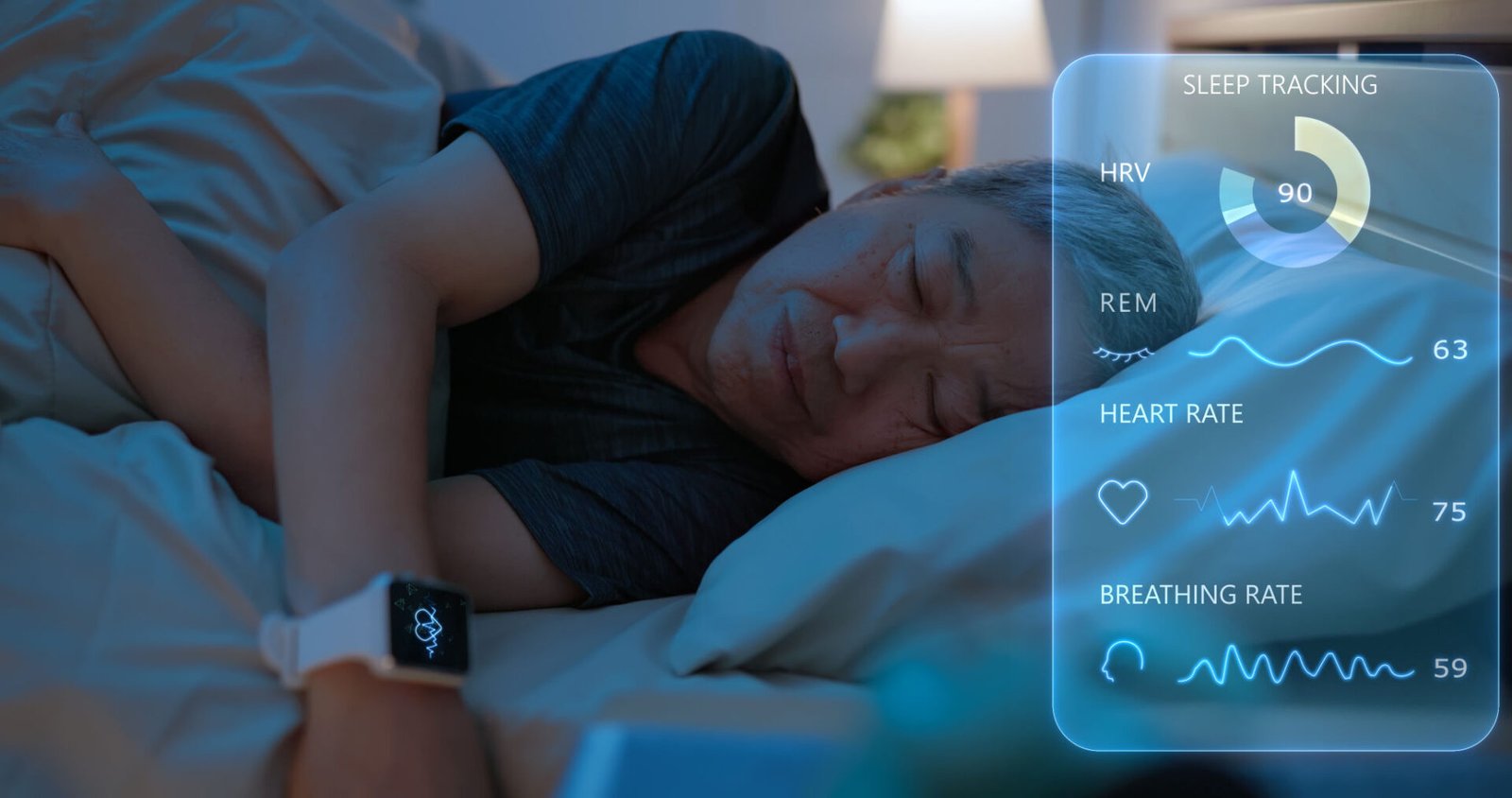
Participating in prolonged periods of exercise may interfere with sleep quality. This includes rigorous, prolonged occupational activity, as well as ultra-exercising like marathons, triathlons, and Ironman competitions. Prolonged exercise increases cortisol levels for extended periods of time, which can interfere with quality sleep parameters. While 1 hour of exercise daily proves more beneficial for sleep than 30 minutes, exercising for too long can sometimes have the opposite effect. If you have a sleep wearable, you may find the sweet spot that works for your sleep duration and quality. Another benefit of a wearable is you can see when you are overtraining. If you don’t, you can check in with yourself by the quality of sleep you are getting. If you are overtraining, it can be disruptive to your sleep – yes, both not exercising and overexercising can adversely affect the quantity and quality of your sleep. If you take your heart rate for 3 days before getting out of bed and average it, you have your morning heart rate. Take it every day or periodically to see if there is a significant shift of a few extra beats per minute along with a poor night’s sleep. This may be a clue that you are overtraining. Add in more recovery and see how that works for you.
Overall, exercise is incredibly beneficial for sleep. If you exercise and sleep well – keep doing what you’re doing. If you exercise and are struggling with your sleep, look at the intensity, duration, and timing of your workouts. You might need to increase your duration and/or intensity, stop overtraining, or change the timing of your workouts.
● https://pmc.ncbi.nlm.nih.gov/articles/PMC10503965/