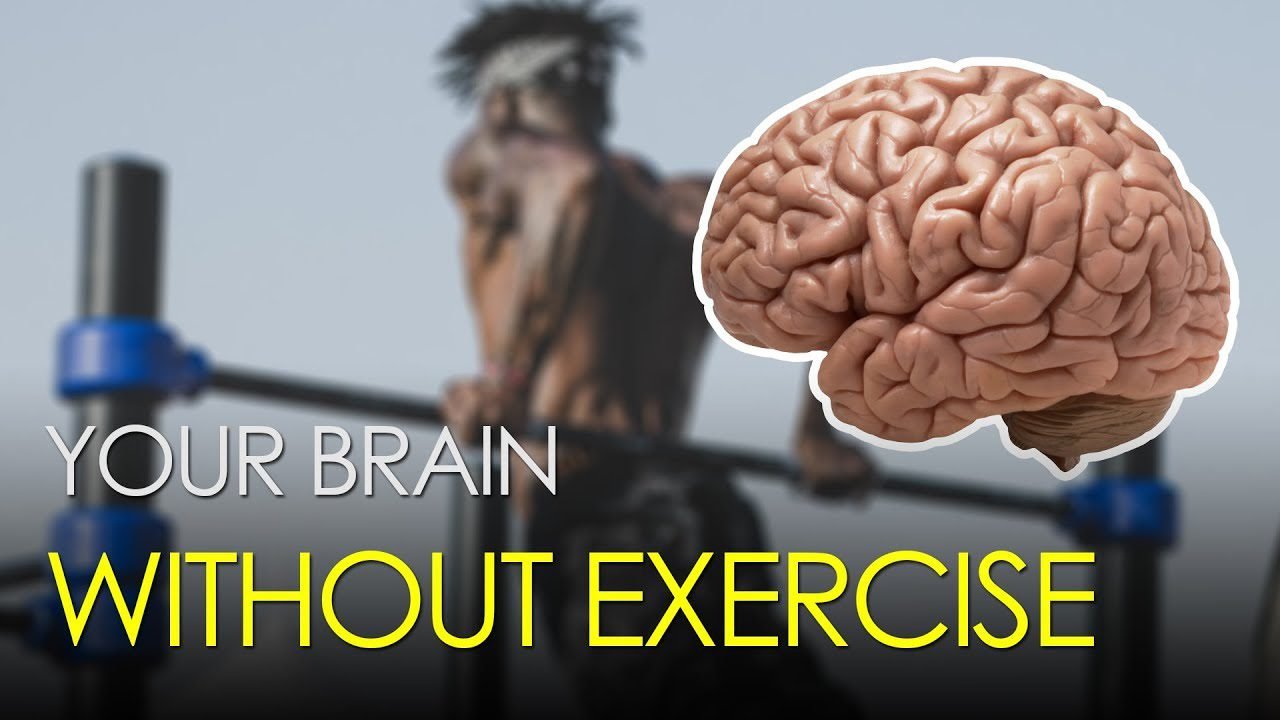
Why Brain Health Training Is the Missing Link in Traditional Fitness Programs?
Walk into almost any gym, and you’ll hear the same type of conversations.
- What split are you running?
- How heavy are you lifting?
- How many days per week?
Everything revolves around the visible side of training. Weight on the bar. Number of reps. Intensity. Volume. The parts you can easily count.
It makes sense. Numbers feel concrete. They give progress a sense of order. But they also hide something important.
The results will be substantially different, even if two people follow the identical strategy. You might feel different even if you complete the same workout more than once. Some days feel robust and smooth. Some days feel sluggish, preoccupied, or heavier than they should.
Most assume it is just the body being unpredictable. It usually isn’t. A large part of that variability starts in the brain.
Feeling inconsistent even with a solid routine?
Opt for a smarter, balanced training.
Join Retro Fit Studio and get started.Workouts Do Not Start in the Muscles
It is easy to think of movement as purely physical. You contract a muscle. The body moves. End of story. Except that is not how movement actually works.
Before your body lifts anything, your brain has already planned the action. It coordinates timing, stabilizes joints, and regulates force. Muscles execute instructions, but the instructions originate elsewhere.
This idea is explored in more detail in The Mind-Body Connection, where the link between neural processes and physical performance becomes hard to ignore.
Which means changes in mental state can quietly alter physical performance. No dramatic injury required. No obvious weakness. Just subtle shifts.
Why the Same Exercise Can Feel Different
This happens constantly, though people rarely pause to question it.
One day, a lift feels controlled. The next day, it feels awkward. Another day, it feels heavier for no clear reason. Nothing about the weights changed. Sleep, stress, or mental fatigue often did.
Brain health and exercise are tightly linked through the nervous system. When the brain is well rested and regulated, movement tends to feel efficient. When mental load accumulates, coordination and effort perception can change.
The body did not suddenly forget how to move. The signaling environment changed.
Fatigue Has More Than One Source
Physical fatigue is straightforward. Muscles get tired. Rest restores them. Mental fatigue behaves differently.
When the brain is overloaded, tasks feel harder even if the muscles are capable. Focus drops. Reaction speed slows. Exercises that normally feel routine suddenly feel demanding.
It is not imaginary. Perception of effort is partially neurological.
Stress Complicates Everything
Stress rarely announces itself politely. Sometimes it is obvious. Deadlines. Pressure. Anxiety.
Other times, it is background noise you barely notice. Poor sleep. Constant notifications. Lingering mental tension. Either way, the nervous system reacts.
Stress alters hormonal equilibrium and brain function. When you work out outside, you can have less endurance, take longer to recover, or have difficulties concentrating. The workout plan can appear good on paper, but your body might not be able to do it.
This pattern is discussed further in How Stress Affects Your Body, especially how stress responses distort performance without obvious physical decline.
Inconsistency Is Often Misunderstood
Fitness culture tends to interpret inconsistency as a lack of discipline. That explanation feels simple, but it misses reality.
Human physiology is dynamic. Energy, focus, and coordination fluctuate with sleep quality, emotional strain, and cognitive demand. The brain constantly processes these variables. Physical output naturally reflects them.
Retro Fit Studio says, some days your system is primed. Other days it is not. That is biology, not failure. (Link Required)
Noticing strength swings from workout to workout?
Your training may be solid, but recovery might be off.
Retro Fit Studio builds stability, not just intensity.Brain Health and Exercise Work Together
The relationship runs in both directions. Yes, mental state influences training quality. But movement also influences brain function.
Regular exercise is good for your brain, your health, and your blood flow. A lot of people who work out say that they can think more clearly or deal with worry better.
This is not a coincidence. The nervous system and physical activity continuously interact. You cannot cleanly separate them.
A broader view of this interaction appears in Movement, Mindfulness, and Mental Clarity, where training is framed as more than just physical effort.
Why Traditional Programs Miss This
Classic training models emphasize external workload. Add more weight. Increase intensity. Push harder.
Those tools absolutely matter, but they assume recovery capacity remains stable. When neurological strain accumulates, increasing effort may stop producing expected returns.
Progress slows. Fatigue lingers. Motivation dips. People often respond by pushing even harder. Which can make things worse.
A Different Coaching Perspective
Approaches like holistic lifestyle coaching take a broader view.
Instead of treating workouts as isolated events, they consider sleep behavior, stress exposure, and recovery rhythms. Training becomes something that works with your life rather than competing against it.
This often leads to more reliable wellness coaching results. Not because effort decreases. Because system stability improves, exactly what we do at Retro Fit Studio.
When Less Can Actually Produce More
One of the most counterintuitive lessons in long-term training is this: More intensity is not always the answer.
When you’re under a lot of stress, lowering the volume or intensity a little bit will help you keep your consistency and movement quality. Sometimes shorter, more concentrated sessions work better than longer, more tiring ones. The focus changes from wearing out the body to helping it adapt.
Progress depends on what you can sustain. Not what you can survive briefly.
Nervous System Balance Changes Everything
Placement of the infographic
Closing Thought
Strength and conditioning matter. But they are not the whole story.
Every workout sits on top of neurological processes that shape coordination, effort perception, and recovery behavior. Brain health and exercise remain deeply connected, whether we acknowledge it or not.
When training respects that connection, progress usually feels less like a constant battle and more like a stable, long-term trajectory.
Not dramatic. Just sustainable.
Feeling drained even when workouts are not extreme?
Mental fatigue may be influencing performance.
Retro Fit Studio helps with balanced training.FAQs
Can mental fatigue really affect physical workouts?
Yes. Cognitive overload alters coordination efficiency and effort perception, which can make exercises feel harder without changing muscular strength.
Why do some workouts feel unusually difficult?
Sleep quality, stress, and mental strain influence nervous system regulation, often affecting how the body experiences effort.
Does exercise help brain function?
Consistent physical activity supports processes linked to focus, mood stability, and cognitive resilience.
What drives wellness coaching results?
Long term improvements usually stem from consistency, recovery quality, and lifestyle alignment rather than isolated workout intensity.
Is nervous system recovery important for fitness?
Absolutely. Neural regulation governs movement control, reaction speed, and perceived exertion, all critical for stable performance.